
DJC#007 – Money Dials: Find What You Value to Turn Them Up & Down
Wake Up Alarm
If you haven’t completed your homework from last week’s newsletter, read no further until you’ve done so…or else this will not help you much.
I’ll assume if you’re still reading, you’ve reviewed all of your financial income and expenses. You’re now fully aware of how much money you have coming in and going out on average each month. You probably a little surprised with some of your findings…perhaps even shocked! Did you find any expenses hiding in the weeds? And that was exactly the point.
We all are busy with life that we tend to go on autopilot at times where we are not fully aware of what is going on with certain aspects of our lives. That’s why it is a good idea to do these exercises to flip the autopilot switch off and check in. It’s a wake up call with that annoying default alarm clock sound on our phones. Don’t hit the snooze button. You snooze, you lose.
Money Dials
Now that you’re completely aware of where your money is coming and going, it’s time to decide how you’re going to save, invest and spend your money every month. Before we can even dive into that, we need to talk about how you think about money and spending. Let’s talk about money dials.
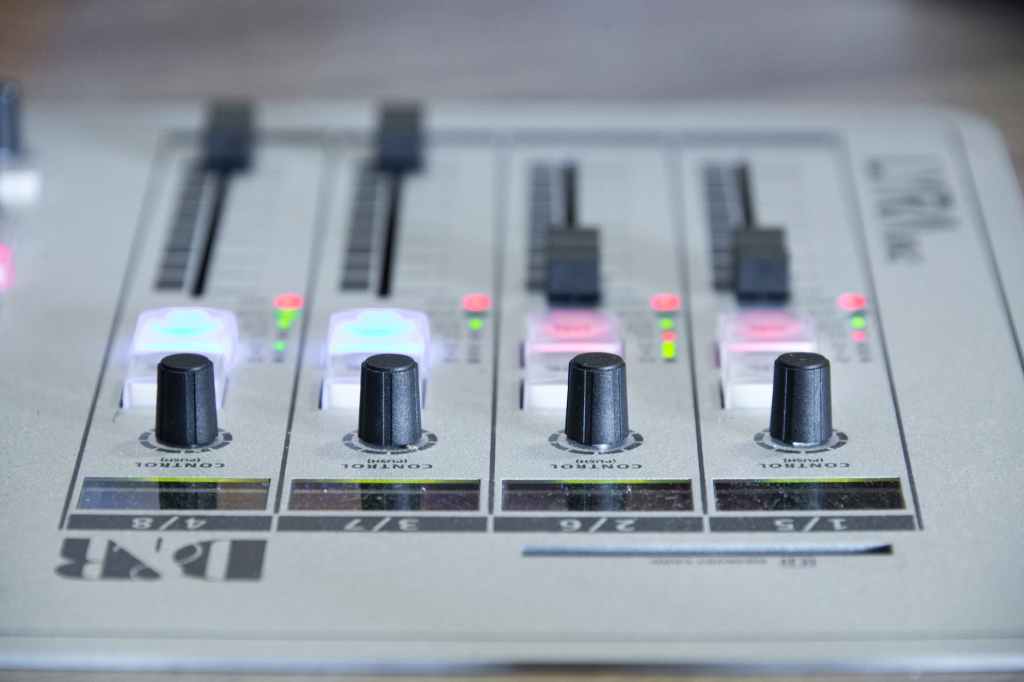
Money dials are the idea from Ramit Sethi of I Will Teach You To Be Rich (spoiler alert: rich doesn’t equate to just money) calls people’s spending habits. He refers to them as such because you can either turn them up or turn them down. This is all based on personal preference and what season of your financial journal you find yourself in. Everybody is different and this is a judgement-free zone.
If you’re a young Dad with student loans and just starting out in your career you might be more focused on paying off your loans, saving and building your career. On the flip side, if you’re a middle-aged Dad with little or no debt, then you might be more focused on growing your investments and have some extra money to spend freely. The point is everyone’s situation is different and you must look in the mirror and not at your family, friends, neighbors or social media to validate or compare your financial truth.
Do an internal audit and discover your money dials. Think about what really gets you excited to spend your money on. Is it going on vacation? Is it going to sporting events or theme parks? Is it going out to try new restaurants? Is it camping? Is it a new pair of Jordans? Is it spending on education or personal development?
Now write those things down. Ask your partner (if you have one) to do this as well and then compare your lists. Are you aligned? What’s the same? What’s different? Now discuss.
Keep in mind this is all based on conscious financial awareness and spending. Ideally you should never spend more than you have, but I understand there are always extenuating circumstances. You now have the awareness after your homework assignment. And I am definitely not saying don’t save and invest (a topic for another day).
The purpose of the money dials is to get you thinking of what you value and want to spend your money on because if you know what money dials are turned up, then you simultaneously know which money dials to turn down.
The Choice Is Yours
What I love about this idea of money dials is that it’s personal and they can be changed based on your choice. Life changes over time and so do finances. At different points in your life and your children’s lives your expenses for them will be higher or lower and changes as well. If the money goes from 1 to 10, you can turn it to the number that best suits you now.
The purpose of this all is to become aware of what you value and spend your money on those items. For everything else, turn those dials way down and stop spending money on those categories if it’s not absolutely necessary. Because if you turn down a dial you don’t value, it’ll give you some financial space to turn up a dial you do value.
So get to thinking about your money dials. Have that chat with your partner (if you have one). Have it with your family and friends. But most importantly, make sure you have it with yourself first.
Now you’re aware of your incomes and expenses as well as what you value spending your money on. Next we’ll bring these two topics together and discuss the B-word…budget.
 Dad Journal Club
Leave a comment